
PetroSA Faces Liquidation Threat Over R600m Unpaid Fuel Debt
PetroSA faces a liquidation bid from supplier Nako Energy over a R605m unpaid fuel debt, spotlighting SA's refining sector strain.
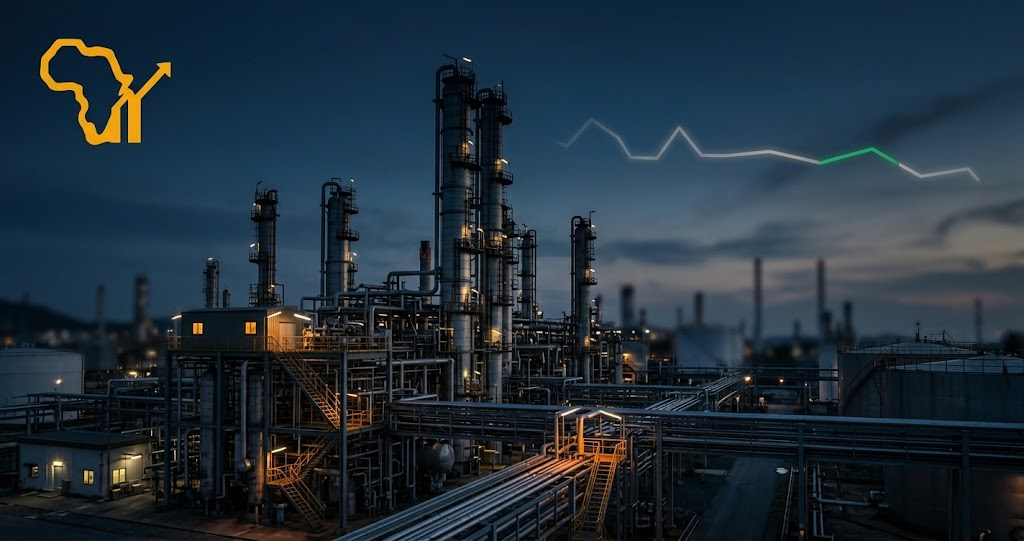
PetroSA Faces Liquidation Threat Over R600m Unpaid Fuel Debt
South Africa's state-owned oil company, PetroSA, is facing a court-ordered liquidation application from fuel supplier Nako Energy over an unpaid debt of roughly R605.5 million — a dispute that has reignited scrutiny of the national oil company's finances at a time when the country is already grappling with the costs of its diminished domestic refining capacity.
What Happened
Nako Energy has approached the courts seeking PetroSA's liquidation, arguing the state-owned entity is commercially insolvent and unable to repay its debts. According to an affidavit filed by Nako chief executive Nkosinathi Ngwenya, PetroSA acknowledged in writing on May 19, 2025, that it owed the company R605.5 million related to the supply of petroleum products, but has since failed to make payment despite that written acknowledgment.
Nako's court papers argue there is no legitimate reason for the non-payment other than PetroSA's inability to pay, and that the company has been given no explanation for the delay. PetroSA did not respond to requests for comment on the matter.
The dispute between Nako and PetroSA has a fraught history. Investigative journalism outlet AmaBhungane reported last year that the two companies were at the centre of a wider South African energy controversy involving irregular fuel deals, significant debt and allegations of contaminated petrol. Nako has denied wrongdoing and has previously filed a formal complaint with the Department of Mineral Resources and Energy, accusing PetroSA and major oil firms of using aggressive tactics to undermine black-owned businesses in the sector.
Historical Context
The liquidation threat lands against a backdrop of broader concern about South Africa's declining domestic refining capacity. Reporting this week showed the country spent approximately R76 billion more than it would have importing refined petroleum products between 2021 and 2024, after allowing domestic refining capacity to wither — a shift that also cost around 5,400 jobs, according to notes published by economists at the South African Reserve Bank. PetroSA operates the country's state-owned gas-to-liquids refinery in Mossel Bay, a facility with a strategic role in national fuel security and synthetic petroleum production, but one that has faced years of underinvestment and operational challenges.
Why It Matters for Africa
South Africa's refining capacity crisis is emblematic of a wider continental challenge: many African countries remain heavily dependent on imported refined fuel despite significant domestic crude production or refining infrastructure, exposing their economies to currency and price volatility whenever global fuel markets shift. A liquidation of PetroSA — even if ultimately averted through negotiation or restructuring — would be a significant blow to South Africa's remaining domestic refining ambitions and could further entrench reliance on imports at a moment when global oil prices are again rising due to Middle East tensions.
The case also raises broader governance questions about how African state-owned energy companies manage supplier relationships and debt, issues that matter to investors assessing sovereign and quasi-sovereign credit risk across the continent.
Market Data & Key Numbers
Metric | Figure |
|---|---|
Disputed debt | R605.5 million |
Debt acknowledged in writing | May 19, 2025 |
SA refined fuel import overspend, 2021–24 | ~R76 billion |
Jobs lost due to refining capacity decline | ~5,400 |
PetroSA's key asset | Mossel Bay gas-to-liquids refinery |
What Businesses and Investors Should Watch
The outcome of the liquidation application, including whether PetroSA and Nako reach a settlement before it proceeds.
South Africa's broader refining policy, including any legislative moves — such as a previously tabled bill — to restructure state petroleum assets.
Supplier confidence in state-owned enterprises, given the precedent this case sets for how unpaid debts to smaller suppliers are handled.
Fuel security implications if PetroSA's operational capacity is further constrained by financial distress.
Practical Guide: Key Takeaways
For Businesses
Suppliers doing business with state-owned entities across Africa should factor payment-timeline risk into contract structuring, given the precedent this dispute illustrates.
Monitor South African energy policy developments for signals on refining sector restructuring.
For Investors
Treat PetroSA's financial distress as one data point in a broader pattern of South African state-owned enterprise balance sheet strain.
Watch for knock-on effects on South Africa's sovereign credit narrative if liquidation proceedings advance.
For General Readers
Understand that a liquidation application is a legal process that can take considerable time to resolve and does not guarantee an entity will actually be wound up.
The dispute highlights the real costs — in imports, jobs and fuel security — of allowing domestic refining capacity to decline.
How MarketPulse Africa Helps
State-owned enterprise finances are a recurring theme across African energy markets, with direct implications for fuel security, currency stability and sovereign credit risk. MarketPulse Africa tracks these developments as part of our broader energy sector coverage, helping readers understand how corporate and legal disputes connect to national energy policy.
Conclusion
The liquidation threat facing PetroSA underscores the fragility of South Africa's state-owned energy infrastructure at a moment when the costs of the country's declining refining capacity are becoming increasingly visible. How this dispute is resolved will matter not just for Nako Energy's balance sheet, but for the broader question of whether South Africa can rebuild sustainable domestic refining capacity. Follow MarketPulse Africa for updates as the case develops.